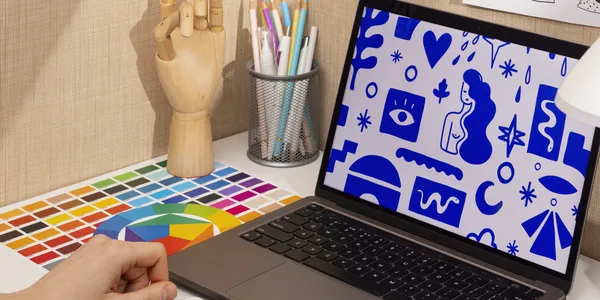
By operating on a fractional basis, a graphic designer can contribute high-impact work without being tied to traditional, full-time roles. This approach benefits both the company and the designer, unlocking opportunities that conventional structures often fail to provide.
The Rise of Fractional Marketing Teams
The concept of fractional work has gained significant traction over the past decade. Businesses are increasingly embracing fractional CMOs and other specialised roles to access top-tier talent without the long-term commitment or costs associated with full-time hires. Within this model, design specialists are especially well-positioned to thrive.
By joining a fractional model, a designer can focus on delivering strategic, creative work for multiple clients, gaining exposure to a variety of industries and marketing challenges. This variety strengthens a designer’s portfolio and also sharpens their problem-solving skills, making them highly valuable in the marketplace.
For businesses, engaging a fractional designer offers flexibility. Projects can scale up or down depending on the organisation’s needs, and companies can bring in specific expertise only when required. This agility is particularly valuable in marketing environments where campaigns, product launches, or rebranding initiatives demand high-quality design output but may not justify a full-time hire.
How Design Specialists Add Strategic Value
Design is often perceived as a purely visual discipline, focused on aesthetics rather than strategy. In fractional models, however, design specialists are expected to operate with a strategic mindset. This means figuring out business goals, marketing objectives, and the nuances of brand positioning.
A design specialist working fractionally can influence marketing outcomes by:
- Shaping Brand Identity Across Multiple Channels: Consistency is key to building recognition. Designers in fractional roles ensure that every visual asset, whether for digital campaigns or offline media, aligns with the brand’s strategic vision.
- Optimising User Experience (UX): Fractional designers often work on websites, apps, or digital platforms where user experience directly impacts conversions. By figuring out customer journeys, they can make informed design decisions that drive engagement and revenue.
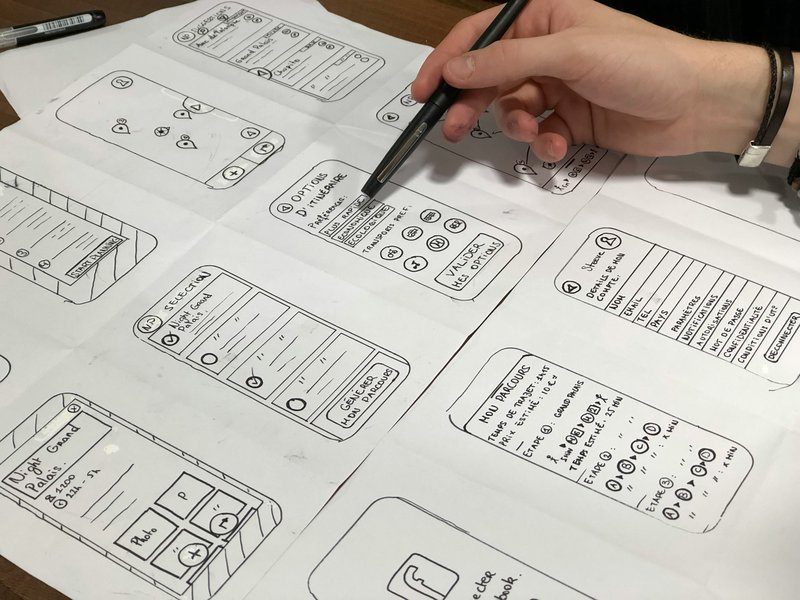
- Collaborating with Cross-Functional Teams: Working across different projects and clients, fractional designers develop strong collaboration skills. They learn to align design work with marketing strategy, product goals, and even sales objectives, providing holistic value.
- Driving Innovation: Exposure to multiple industries enables fractional designers to bring fresh perspectives and best practices from one sector to another. This cross-pollination often sparks creative solutions that in-house teams may overlook.
Why Fractional Models Attract Top Design Talent
For many design specialists, fractional work is appealing because it offers professional freedom and variety. Designers can work on diverse projects, learn from different teams, and build a more robust portfolio than they might in a traditional role. This flexibility also allows them to maintain work-life balance, a factor increasingly vital in retaining creative talent.
Freelance designers and fractional specialists can also better control their income streams. By taking on multiple clients or projects, they can scale their workload based on their availability and career goals. For those considering a move from a permanent role, this model provides both financial and professional empowerment.
Moreover, fractional models often facilitate collaboration with high-calibre marketing professionals, including marketing consultants and marketing strategists. These interactions allow designers to operate at a more strategic level, expanding their skillset and positioning themselves as major contributors to marketing outcomes.
Fractional Models Encourage Agile Design Thinking
In traditional corporate environments, design work can be slow-moving and siloed. Fractional models, however, encourage agile design thinking. Designers are often required to adapt quickly to new briefs, switch between different tools or styles, and iterate based on client feedback. This agility improves the designer’s skill set and also delivers more immediate results for clients.
Because fractional designers may be involved in multiple projects simultaneously, they learn to prioritise and manage time effectively. This adaptability ensures that design output is creative and aligned with tight deadlines and business priorities.
Real-World Examples of Impact
Consider a mid-sized e-commerce company looking to refresh its brand identity. Engaging a fractional design specialist can accelerate the process. The designer can conduct a thorough audit, identify gaps in visual communication, and implement design updates across the website, social media, and advertising campaigns, all without the overhead of hiring a full-time employee. The result is a cohesive brand experience that boosts engagement and sales.
Similarly, a startup launching a new app might engage a fractional designer to focus on UI/UX design. By bringing in someone with specific expertise, the startup benefits from industry-leading insights without committing to a permanent hire. These examples illustrate how fractional designers can deliver high-value outcomes efficiently and cost-effectively.
Integrating With Broader Marketing Functions
Fractional design specialists often work alongside freelance marketers, marketing consultants, and marketing strategists. This collaboration ensures that design decisions are not made in isolation but are integrated into wider marketing strategies. For instance, designers can align visual assets with campaign objectives, optimise creatives for conversion, or even contribute to content strategy discussions.
For companies, this approach is invaluable. It ensures that marketing campaigns are cohesive, targeted, and performance-driven. For the designer, it provides an opportunity to operate at a strategic level, building credibility and expanding their professional influence.
How to Position Yourself as a Fractional Design Specialist
If you’re a design specialist considering fractional work, it’s key to position yourself effectively:
- Highlight Strategic Experience: Emphasise projects where your design work influenced business outcomes.
- Build a Diverse Portfolio: Showcase work across different industries, platforms, and project types.

- Demonstrate Agility: Show that you can adapt quickly to different briefs, tools, and marketing strategies.
- Network with Marketing Professionals: Engage with marketing recruitment platforms or communities that connect businesses with fractional talent.
Joining a platform like Cemoh provides a ready-made network of opportunities. Whether you’re a designer looking to work with marketing consultants or collaborate with other fractional experts, these platforms help you find roles that align with your skills and career goals.
Challenges and Considerations
Managing multiple clients, setting boundaries, and maintaining consistent quality can be demanding. Designers must be disciplined and proactive in communication to ensure project success. Additionally, as fractional roles often operate remotely, strong self-management skills are required.
However, for those who navigate these challenges successfully, the benefits, variety, flexibility, and strategic impact far outweigh the difficulties. Fractional models empower design specialists to take control of their careers while delivering significant value to businesses.
Making the Leap
For designers considering a move into fractional work, the first step is knowing where your expertise adds the most value. Whether it’s branding, UX/UI, or digital marketing design, identify the areas where you can make a strategic difference. Engage with marketing jobs and projects that challenge you to grow while contributing meaningfully to client outcomes.
Platforms that connect freelance designers with marketing projects, like Cemoh, make this transition seamless. By joining a community of fractional professionals, you gain access to high-quality opportunities, support, and collaboration that can accelerate your career growth.
Designing Your Fractional Future
Design specialists are uniquely suited to thrive within fractional models. By combining creative skill with strategic insight, these professionals deliver high-impact outcomes that benefit businesses while offering personal and professional freedom. Fractional work empowers designers to broaden their horizons, collaborate with top marketing talent, and continually evolve in an ever-changing marketing landscape. For those looking to maximise their impact and career satisfaction, embracing a fractional model could be the most strategic move yet. Join Cemoh as a freelance designer and access opportunities that match your skills and career goals.