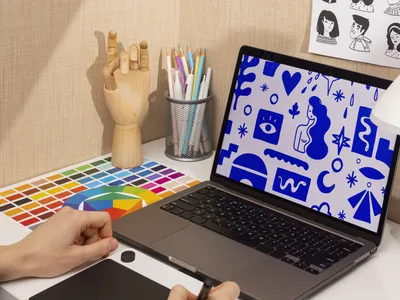
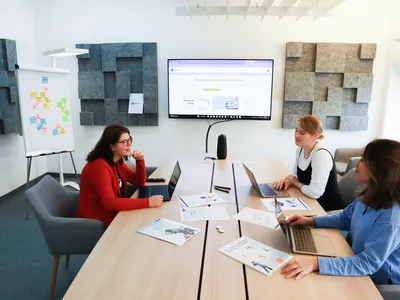
A designer can have a big influence on a marketing campaign without being the person responsible for the overall strategy. Their job is to turn ideas and strategy into visuals that people notice, understand and act on.
That means working closely with marketing strategists, consultants and other specialists, while staying focused on their own area of expertise. The designer doesn't need to own the entire marketing plan to make a meaningful contribution to its success.
So, how can designers add value when they aren't responsible for the wider strategy? It starts with understanding the goal behind the work and making sure every design decision supports it.
Designers as Strategic Contributors
Design is about more than making something look good. A good designer also considers how people will use, understand and respond to what they create. Their work can influence user experience, brand perception and how effectively a marketing campaign connects with its audience. Even when they are not responsible for the overall strategy, designers can contribute to the campaign by:
- Translating Strategy into Visual Impact: Designers interpret complex marketing strategies into visually compelling assets. Whether it’s digital ads, landing pages, or social media content, designers ensure the brand’s message resonates with the target audience, complementing the work of marketing consultants who shape broader campaign directions. Thoughtful use of visuals can clarify messaging, highlight key value propositions, and guide customer attention to where it matters most.
- Enhancing User Experience: Beyond aesthetics, designers optimise interactions and journeys. A well-designed interface, app, or website can increase engagement, reduce bounce rates, and improve conversion. Even small adjustments in layout, color contrast, or navigation can reinforce strategic goals defined by marketing strategists, proving that design impacts results even when the strategy itself is not owned by the designer.
- Bridging Communication Gaps: Designers often act as the bridge between strategy and execution. They translate abstract concepts from marketing strategists or freelance marketers into tangible designs, ensuring consistency across campaigns. This role requires empathy and insight: knowing both the strategic intent and the audience’s perspective is key to creating designs that resonate. Collaboration with freelance marketers is especially beneficial, as it allows designers to contribute in agile, project-based environments where specialised expertise drives results.
By focusing on these areas, designers add measurable value without the responsibility of managing the full marketing plan.
Collaborative Frameworks Amplify Impact
Designers deliver their best work in collaborative environments where the strategy is clearly defined and accessible. To do this effectively:
- Engage Early: Involvement in the early stages of campaign planning allows designers to understand objectives, constraints, and opportunities. Early alignment ensures that visuals are decorative and strategically aligned with marketing goals.
- Participate in Cross-Functional Teams: Working alongside marketing strategists, marketing consultants, and freelance marketers helps designers grasp the bigger picture. By contributing insights from a visual perspective, they can suggest refinements that improve overall performance. For instance, a designer noticing potential friction in a user journey can propose adjustments that align with campaign KPIs, increasing effectiveness.
- Iterative Feedback Loops: Designers thrive in settings that value iteration. Regular feedback sessions informed by analytics and marketing performance allow designers to refine their output. By adjusting designs based on measurable outcomes, designers strengthen alignment with broader objectives and demonstrate tangible impact.
Internal teams and freelance designers alike benefit from these collaborative practices, ensuring that design is both purposeful and adaptable.
Measuring Design’s Strategic Value
Proving design’s impact can be challenging when the designer is not accountable for overall marketing results. Traditional metrics like clicks or impressions only tell part of the story. Designers can demonstrate value through:
- Conversion-Oriented Design: Highlighting how specific design choices influence leads, sign-ups, or sales helps quantify impact. For example, a redesign of a landing page that improves conversion rates by 15% clearly shows the strategic effect of design.
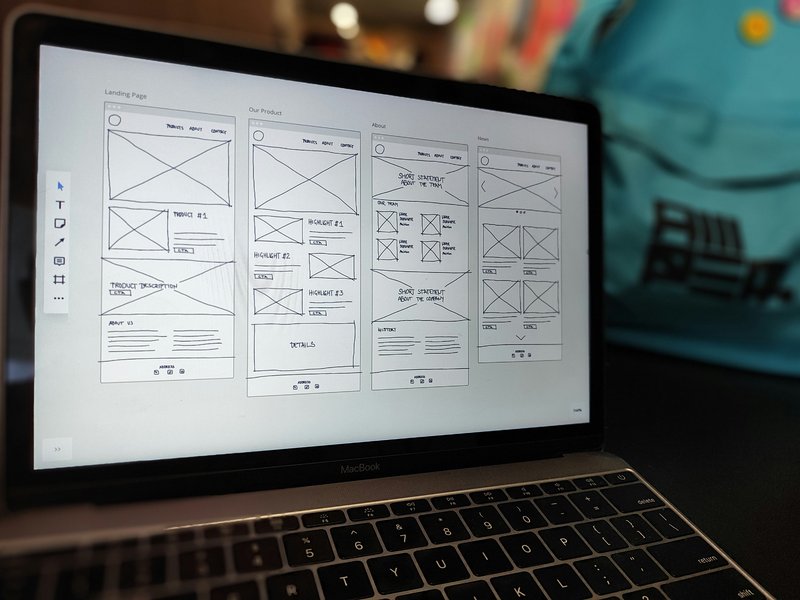
- Brand Consistency Metrics: Strong design reinforces brand recognition. Surveys, social listening, and engagement rates can indicate how well the design communicates the brand’s identity. Consistency in visual elements across channels builds trust and memorability.
- Process Efficiency: Efficient workflows and reusable design systems save time and reduce errors, indirectly boosting strategic outcomes. Designers who create scalable templates or design systems enable marketing teams to execute campaigns faster and more consistently.
By tying visual contributions to measurable results, designers validate their role as strategic enablers even without owning the full marketing plan.
Leveraging Freelance Opportunities
For marketing professionals looking to expand their careers, freelance design offers flexibility and exposure to diverse industries. Platforms like Cemoh connect freelance designers with organisations seeking specialised skills for specific projects. Freelance designers can focus on delivering high-value outcomes without the administrative and managerial burdens of full strategy ownership.
Freelance work also exposes designers to different strategic approaches, enhancing their knowledge of marketing dynamics. Collaborating with marketing consultants, marketing strategists, and other freelance marketers allows designers to learn how campaign decisions are made, improving their own craft and marketability. Over time, these collaborations help designers develop a broader perspective on marketing, even if they remain focused on visual execution.
Best Practices for Designers in Non-Strategic Roles
To thrive as a designer who doesn’t own the entire marketing strategy, consider these best practices:
- Clarify Objectives: Before starting any project, understand the goals, KPIs, and intended audience. Align your work with these parameters to enhance relevance.
- Communicate Proactively: Regular updates and clear explanations of design decisions build trust and ensure alignment with the broader marketing plan.
- Embrace Analytics: Use data to inform design choices. Knowing user behaviour and campaign performance allows designers to make evidence-based recommendations.
- Develop Adaptability: Flexibility is key in collaborative environments. Be prepared to iterate and adjust designs based on strategic feedback or emerging trends.
- Focus on Outcome, Not Ownership: Adding value does not require managing the entire marketing strategy. By excelling in your domain, you amplify the effectiveness of the broader plan.
Integrating with Marketing Consultants and Strategists
Designers frequently interact with marketing consultants, marketing strategists, and freelance marketers. Marketing consultants advise on campaign direction and audience targeting, and designers who align their work with these recommendations can deliver more effective outcomes. Marketing strategists define objectives and KPIs that guide campaigns, and designers who understand these frameworks ensure consistency and impact. Collaborating with freelance marketers provides agile workflows and diverse perspectives that inspire innovative design solutions. By naturally integrating with these roles, designers enhance strategic effectiveness without owning it.
Future-Proofing Your Design Career
As marketing continues to evolve, designers who combine technical skill with strategic awareness will remain in high demand. Key areas for growth include:
- UX/UI Expertise: Strong user experience design is increasingly central to marketing success. Investing in UX/UI skills ensures designers remain indispensable.
- Data Literacy: Figuring out analytics tools and metrics allows designers to make informed design decisions that resonate with target audiences.
- Cross-Disciplinary Collaboration: The ability to work seamlessly with marketers, strategists, and other creatives enhances career resilience and expands freelance opportunities.
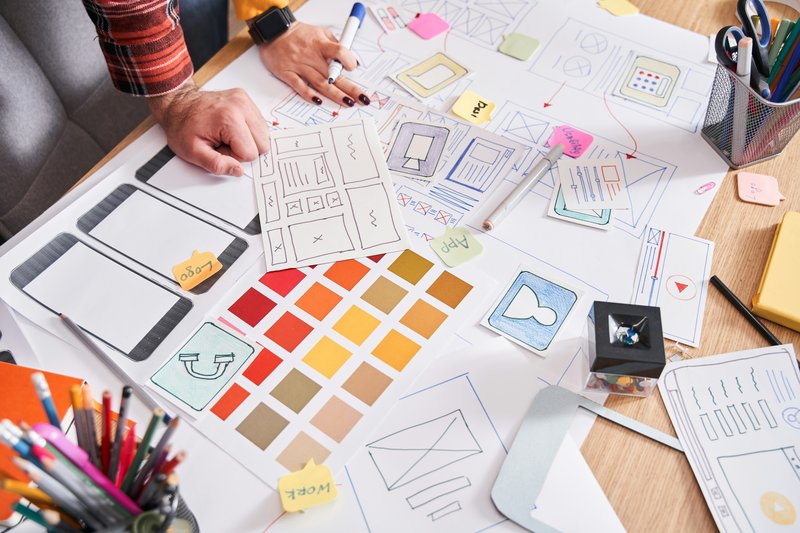
Freelance platforms like Cemoh offer designers access to projects that align with these growth areas, enabling them to expand their expertise while delivering measurable value.
Designing for Impact, Not Ownership
Ultimately, the value of a designer lies in translating strategy into effective, visually engaging solutions. Designers do not need to own the entire marketing strategy to be indispensable; their impact is felt through collaboration, data-driven decision-making, and a focus on outcomes. By integrating their work with marketing consultants, marketing strategists, and freelance marketers, designers can deliver results that matter.
For designers ready to leverage their skills in meaningful ways while remaining agile and focused, join Cemoh as a freelance designer to open doors to exciting projects across industries. It allows designers to contribute strategically without the pressures of full ownership, positioning expertise where it truly counts.