Every click counts in the digital world. Whether you’re running ads on Google, promoting a new product on social media, or launching a campaign via email, the landing page is where the magic, or disaster, happens. A poorly designed landing page can waste precious advertising dollars, while a well-executed one can dramatically increase conversions, sales, and customer engagement.
In this article, we’ll explore the power of an effective landing page, break down its key components, and reveal who you should hire to build one that achieves results. If you’ve ever wondered why some businesses skyrocket with online campaigns while others struggle, the answer often lies in their landing page strategy.
What Exactly Is a Landing Page?
A landing page is a standalone web page designed with a single, focused objective, usually to drive conversions. Unlike a homepage, which is more general and provides a wide array of navigation options, a landing page is laser-focused on guiding visitors toward a specific action. This could be filling out a form, signing up for a free trial, downloading a guide, or making a purchase.
Businesses often use landing pages as the “destination” of a marketing campaign. For example, if you run a paid ad on Facebook promoting a seasonal discount, the ad should lead to a dedicated landing page highlighting that very offer, not your generic homepage. This alignment between ad and page is what increases conversion rates.
Why a Landing Page Matters More Than You Think
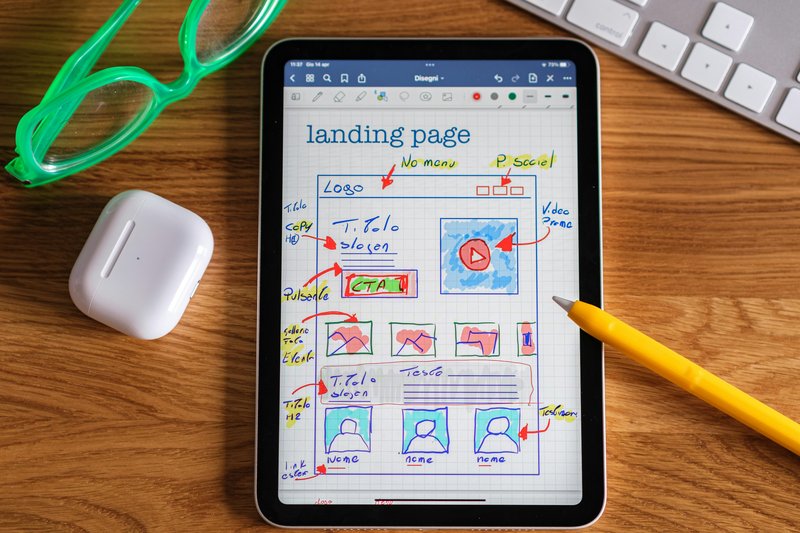
The importance of a landing page cannot be overstated. According to HubSpot, companies with 10–15 landing pages increase their leads by 55% compared to those with fewer than 10. Why? Because each landing page targets a specific customer segment or campaign, allowing for more personalised and relevant messaging.
A strong landing page can:
- Boost conversions by eliminating distractions and guiding visitors toward one clear action.
- Enhance ROI on paid campaigns by ensuring ad spend drives measurable results.
- Build credibility with professional design, trust signals, and clear messaging.
- Provide valuable insights into customer behaviour through tracking and analytics.
Without a strong landing page, even the best ad campaigns are likely to underperform.
The Core Elements of a High-Converting Landing Page
What separates a mediocre landing page from one that consistently converts? Let’s break down the must-have elements.
A Compelling Headline
Your headline is the first thing a visitor sees, and it sets the tone for the entire page. A good headline should be clear, benefit-driven, and directly related to the ad or link that brought the visitor there.
Persuasive Copy
The written content on a landing page must speak directly to the visitor’s needs. Avoid jargon and focus on value, how will your product or service improve their life or solve their problem? Keep it concise but impactful.
Eye-Catching Visuals

Images, videos, or animations can significantly boost engagement. A video demo, customer testimonial, or product photo often works wonders in reinforcing your message.
Strong Call-to-Action (CTA)
The CTA is the heart of your landing page. Whether it’s “Sign Up Today,” “Get Your Free Trial,” or “Download Now,” the CTA must stand out visually and convey urgency. One of the biggest mistakes businesses make is burying their CTA or using vague wording.
Trust Signals
Testimonials, reviews, logos of reputable clients, and certifications all add credibility. Visitors are more likely to take action if they see proof that others have trusted you.
Mobile Optimisation
In Australia, over 60% of web traffic comes from mobile devices. If your landing page isn’t mobile-friendly, you’re losing a huge chunk of potential customers.
Fast Loading Speed
A slow page can cost you conversions. According to Google, if a page takes longer than three seconds to load, more than half of mobile visitors will leave.
Common Mistakes to Avoid
Even with the best intentions, businesses often make mistakes that sabotage their landing pages:
- Too much text: Long paragraphs overwhelm visitors. Keep copy concise and easy to scan.
- Multiple CTAs: If your page has three or four different “next steps,” visitors may get confused and do nothing.
- Unclear value proposition: Visitors should instantly understand what they’ll gain by taking action.
- Ignoring testing: Failing to A/B test headlines, CTAs, or layouts means missing out on valuable optimisation opportunities.
Who Should Build Your Landing Page?
Now that we’ve established how significant landing pages are, the next question is: who should build it? Leave it to professionals. Let’s look at your options.
Web Developers
Hiring a skilled web developer is often the most effective choice. They have the technical expertise to ensure your landing page looks professional, loads quickly, and functions seamlessly across devices. More importantly, they can customise your page to match your brand identity while incorporating conversion-boosting features.
If you want a landing page that converts, hire a web developer who understands both design and performance.
Marketing Consultants
A marketing consultant brings strategic insights that go beyond just design. They can analyse your campaign goals, target audience, and competitive landscape to recommend the best approach for your landing page. Pairing a marketing consultant with a developer ensures the page looks great and also aligns with your broader marketing strategy.
Freelance Marketers
For smaller businesses with limited budgets, freelance marketers can be a flexible and cost-effective solution. Many freelancers specialise in creating landing pages, offering expertise without the overhead costs of hiring a full-time employee.
In-House Team
If you already have a marketing team, they can collaborate with developers and designers to build landing pages internally. However, keep in mind that in-house resources are often stretched thin, and outsourcing can free up time for your team to focus on other priorities.
How to Choose the Right Professional
Not all professionals are created equal. When selecting someone to build your landing page, consider the following:
- Portfolio: Ask for examples of landing pages they’ve built in the past. Look for clean design, strong CTAs, and evidence of conversions.
- Understanding of marketing: A designer who understands user behaviour and sales funnels will deliver better results than one who focuses only on aesthetics.
- Communication: Clear, responsive communication is key to ensuring the final product matches your vision.
- Cost vs. Value: Cheaper isn’t always better. Investing in quality can save you from the hidden cost of a poorly performing page. For guidance, check Cemoh’s marketing consultant cost guide.
The Role of Testing and Optimisation
To achieve maximum effectiveness, ongoing testing is required.
- A/B Testing: Experiment with different headlines, CTA buttons, or layouts to see which version performs best.
- Heatmaps: Tools like Hotjar show you where visitors click, helping you identify areas for improvement.
- Analytics: Track bounce rates, conversion rates, and session durations to assess performance.
The goal is continuous improvement. Even small tweaks can lead to significant increases in conversion rates over time.
Local Relevance: Landing Pages in the Australian Market
The Australian digital landscape is competitive. With consumers becoming more digitally savvy, expectations are higher than ever. Research shows that 91% of Australians are active internet users, with a large portion engaging with brands online daily.
For local businesses, a well-optimised landing page can be the difference between winning and losing customers to overseas competitors. Key considerations for Australian businesses include:
- Mobile-first design: With high mobile usage, your landing page must perform seamlessly on smaller screens.
- Clear compliance: Ensure your page meets Australian consumer law requirements, such as transparent pricing and accurate advertising claims.
- Local trust signals: Showcase Australian customer testimonials, local awards, or partnerships with recognised local organisations.
Where to Go from Here
A landing page is the linchpin of your digital marketing campaigns. Done well, it has the power to significantly boost conversions, amplify ROI, and build trust with your audience. Done poorly, it can waste ad spend and drive potential customers away.
Whether you hire a web developer, work with a marketing consultant, or engage freelance marketers, the key is to treat your landing page as a strategic asset, not an afterthought. Remember, every click has value, and your landing page is where you turn that value into measurable results.
Ready to create a landing page that works? Don’t leave it to chance, hire a web developer who knows how to bring your vision to life.