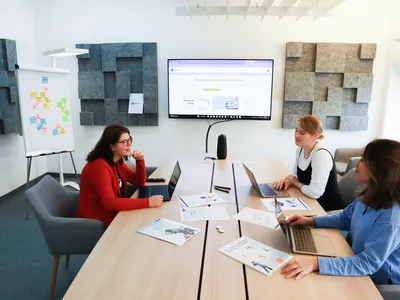
For CEOs, the focus on marketing often revolves around campaigns, brand awareness, and lead generation. However, what is frequently overlooked is the critical role organisational design plays in shaping marketing effectiveness. The way a company structures its teams, responsibilities, and workflows can significantly influence how marketing strategies are executed and, ultimately, the results achieved. Figuring out this connection is required for leaders looking to maximise the impact of marketing investments.
What Is Organisational Design in Marketing?
Organisational design refers to the framework through which a company’s roles, responsibilities, communication flows, and decision-making processes are structured. In marketing, this involves defining how teams such as brand, digital, content, product marketing, and analytics interact. An optimally designed structure ensures that marketing activities align with business objectives, resources are allocated efficiently, and accountability is clear. Without this, even the most innovative strategies may fail due to inefficiencies or miscommunication.
A well-structured marketing organisation can drive faster decision-making, greater agility, and better integration across business functions. For instance, centralised teams can standardise brand messaging, ensuring consistency across channels, whereas decentralised structures may enable local teams to respond quickly to market nuances. CEOs must consider whether their company benefits more from centralisation, decentralisation, or a hybrid approach to balance efficiency with flexibility. Poor alignment between structure and strategy often leads to duplicated efforts, fragmented campaigns, and slower response to market changes, undermining overall marketing performance.
Key Organisational Structures and Their Marketing Implications
- Functional Structure: Teams are organised by discipline, such as content, social media, and SEO. This approach ensures depth of expertise but can create silos that hinder collaboration across channels. Without strong interdepartmental communication, campaigns may suffer from inconsistent messaging.
- Product-Based Structure: Teams are structured around specific products or services. This encourages deep knowledge of individual offerings and closer alignment with sales. However, it can result in redundancy across marketing functions and challenges in maintaining a unified brand voice.
- Matrix Structure: Combines functional and product structures, often with dual reporting lines. This can promote collaboration and cross-functional thinking but requires careful management to avoid confusion over priorities and accountability.
- Networked or Agile Structure: Emphasises flexibility, small cross-functional teams, and rapid iterations. Particularly effective in fast-moving industries, this model allows marketing teams to adapt quickly to trends but demands strong leadership and clear communication channels.
Why CEOs Should Prioritise Organisational Design
CEOs often focus on hiring top talent, selecting marketing tools, or planning campaigns, but without an optimised organisational design, these investments may not deliver their full potential. Aligning organisational structure with strategic marketing goals ensures teams can execute effectively and respond dynamically to changing market conditions. Moreover, it provides clarity in roles, reduces bottlenecks, and enhances accountability across the marketing function. CEOs who overlook structure risk underutilising talent, increasing costs, and experiencing inconsistent campaign outcomes.

The Role of Leadership and Collaboration
Effective organisational design is about fostering collaboration and embedding a culture that supports marketing objectives. Leaders must create clear pathways for communication between marketing, sales, product, and customer success teams. Regular cross-functional alignment meetings and shared performance metrics ensure that marketing decisions reflect both customer needs and business priorities. For many companies, partnering with a fractional CMO can bring external expertise in designing structures that scale with business growth, allowing CEOs to focus on strategic decision-making rather than operational inefficiencies.

Organisational Design and Marketing Talent
Organisational design also impacts the ability to attract and retain top marketing talent. A clear structure with defined career paths helps ensure team members understand growth opportunities and responsibilities. In contrast, poorly defined roles can lead to frustration, higher turnover, and slower execution of marketing strategies. CEOs should consider leveraging freelance marketers or marketing consultants to complement internal teams and bridge skill gaps without overburdening permanent staff.
Measuring the Impact of Organisational Design on Marketing Effectiveness
Quantifying the impact of organisational design can be challenging, but certain metrics can provide insight. Time-to-market for campaigns, cross-team collaboration scores, marketing ROI, and employee satisfaction are all indicators of whether your marketing structure supports or hinders performance. Organisations that proactively assess and adjust their design see measurable improvements in both efficiency and outcomes. A structured approach to marketing recruitment reduces duplication of roles, strengthens capability depth, and ensures new hires directly support strategic priorities rather than adding operational complexity.
Integrating Organisational Design Into Marketing Strategy
To fully leverage organisational design, CEOs should treat it as a strategic priority rather than an operational concern. Steps to integrate structure with strategy include assessing current workflows, identifying bottlenecks, evaluating team skill sets, and determining the optimal balance of centralisation and decentralisation. By doing so, marketing activities become coordinated efforts that directly support business objectives.

Key Takeaways
Organisational design is a foundational element of marketing effectiveness. Without a thoughtful structure, even the best strategies can falter, resources may be wasted, and talent may be underutilised. CEOs who prioritise organisational design ensure that marketing efforts are efficient, cohesive, and aligned with overarching business goals. Bringing in a Fractional marketing Expert can help optimise team structures, fill skill gaps, and drive measurable results, providing a competitive advantage in an increasingly dynamic market.