How Restaurants and Cafés Can Use Local SEO to Drive Foot Traffic
Restaurants and cafés can boost foot traffic with local SEO by optimising Google Business Profiles, collecting reviews, using local keywords, and ensuring mobile-friendly websites.
19 Jan 2026
Your tourism business can’t afford to miss out on local SEO. Travellers search online for tours, attractions, and experiences near them, and if you’re not showing up, competitors are taking your customers.
Blog
In tourism, timing is everything. Travellers make quick decisions about where to go, what to see, and how to spend their money. If your business doesn’t appear when they search on Google, you’re invisible. Local SEO bridges that gap, connecting your offering with eager tourists at the exact moment they’re ready to book.
For CEOs in the tourism industry, the message is clear: local SEO is critical for survival and growth.
Local SEO (Search Engine Optimisation) is the process of optimising your online presence so your business ranks higher in search results for location-based queries. For a tourism business, this means showing up when someone searches for “best winery tour near me” or “Sydney harbour boat tours.”
Unlike broader SEO strategies, local SEO focuses specifically on geographic relevance. It ensures your business appears in Google Maps, the local 3-pack results, and other regionally focused searches.
For tourism operators, this visibility is the difference between a tour bus full of eager customers or one that leaves half-empty. Working with a skilled marketing consultant makes sure your visibility is maximised where it matters most.
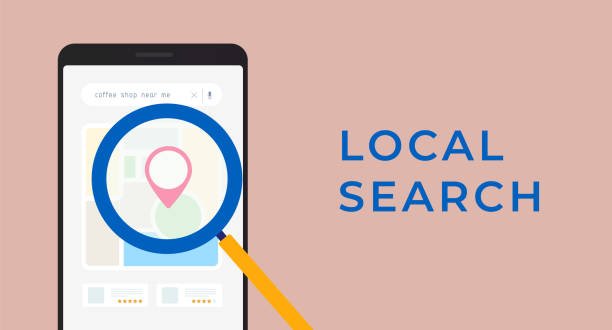
Travellers increasingly rely on mobile devices to find attractions, restaurants, and experiences while on the move. According to Google, “near me” searches have grown exponentially in recent years. If your business isn’t optimised for these searches, you’re invisible to a significant portion of your audience.
For example, imagine a family in Cairns searching for “reef snorkelling tours today.” If your business doesn’t appear, they’ll book with your competitor instead. Local SEO ensures you’re there, front and centre, when travellers are ready to spend. A marketing strategist can tailor your campaigns for these exact customer journeys.
Google Maps has become a trusted travel companion. Appearing in Maps results is about credibility. When a tourist sees your business on Maps with positive reviews, updated details, and high-quality photos, they’re more likely to trust you.
Without this presence, your business risks being perceived as outdated or unprofessional.
In tourism, reputation is everything. Local SEO helps highlight your reviews directly in search results. A business with strong reviews and regular responses to customer feedback ranks higher and also wins traveller trust.
Think of TripAdvisor or Google Reviews, they act as digital word-of-mouth. Local SEO ensures those testimonials work in your favour.

Tourism is a highly competitive industry, especially in hotspots like Sydney, Melbourne, or the Gold Coast. Relying solely on word-of-mouth or traditional advertising won’t cut it anymore. With so many operators vying for attention, you need local SEO to stand out.
A competitor investing in SEO today could dominate search results tomorrow, leaving your business playing catch-up.
Unlike broad advertising campaigns, local SEO targets people who are already searching for your services. This means higher conversion rates. Someone typing “guided wine tour Adelaide Hills” is already primed to book. SEO ensures they find you before your competitors.
While paid ads can support your marketing, SEO provides a sustainable, long-term way to attract consistent bookings without continuously increasing ad spend.
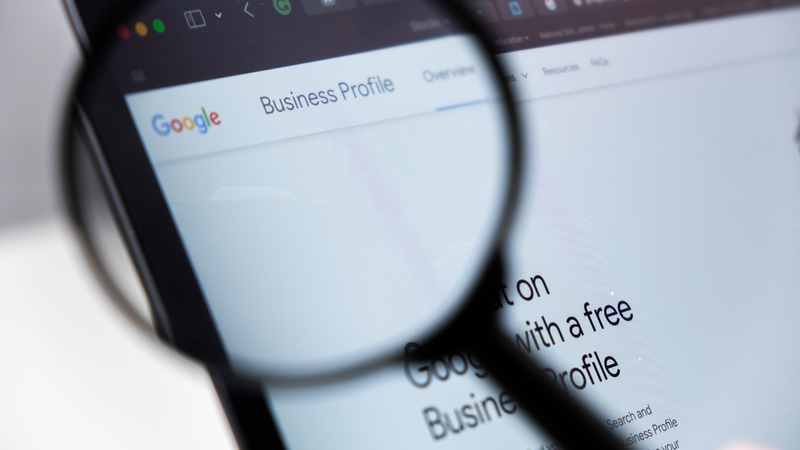
A fully optimised Google Business Profile (GBP) is non-negotiable. Include:
This listing often serves as a traveller’s first impression of your business.
Your website needs to look pretty and be optimised for:
Optimising for both SEO and user experience ensures visitors don’t just land on your site, they convert.

Content marketing tailored to tourists can significantly boost your visibility. Blogs like “Top 10 Things to Do in Byron Bay” or guides such as “A Weekend Itinerary for Melbourne” position your business as a trusted resource while naturally incorporating location-specific keywords.
Encourage satisfied customers to leave reviews on Google, TripAdvisor, and other relevant platforms. Respond to both positive and negative feedback to show you value customer input. Reviews directly influence your search ranking.
Partnering with local businesses, tourism boards, and bloggers for backlinks strengthens your SEO. For example, if a popular travel blogger links to your winery tour, Google sees your business as more credible.
Failing to invest in local SEO has direct consequences:
Simply put, ignoring SEO is leaving money on the table.
Tourism is an industry that thrives on immediacy. Delays in adopting local SEO can have compounding effects. Here’s why action can’t wait:
For CEOs, investing in local SEO is about securing your business’s long-term relevance.
While your marketing team may understand the basics, effective local SEO often requires specialist expertise. An Fractional CMO or SEO consultant can:
Hiring a marketing consultant ensures your investment in SEO is strategic, targeted, and results-driven.
Consider a boutique eco-lodge in Tasmania. Initially, the lodge relied on referrals and OTAs (online travel agencies). After investing in local SEO, including an optimised Google Business Profile and blogs about eco-tourism in Tasmania, their direct bookings increased by 40% in a single year.
Another example is a winery in South Australia. By focusing on “wine tours Barossa Valley” keywords and building partnerships with local food bloggers, they doubled their bookings during peak season.
These demonstrate the tangible impact local SEO can have on bottom-line results.
In the fast-paced world of tourism, visibility equals viability. Local SEO is a core business strategy. CEOs who prioritise it today position their companies for sustainable growth, stronger reputations, and more direct bookings.
If you want your tourism business to thrive in an increasingly digital landscape, the time to act is now. Don’t leave it to chance. Hire a Fractional SEO Expert today and put your business on the map, literally.
Here are some suggested articles that are closely related to this post
Restaurants and cafés can boost foot traffic with local SEO by optimising Google Business Profiles, collecting reviews, using local keywords, and ensuring mobile-friendly websites.

Want to stay visible online in 2025? This guide breaks down exactly what CEOs and business leaders need to know about modern SEO strategy.
A Fractional SEO expert gives your business top-tier search engine expertise without the cost of a full-time hire. From strategy to execution, they help you climb Google rankings, boost visibility, and generate leads.

As demand for flexible marketing talent grows, standing out as a fractional expert means clearly defining your niche, showing measurable impact, and building a strong personal brand.

In an increasingly competitive marketing job market, talent alone is no longer enough. The real secret? Positioning yourself as the expert and building a brand that sells your value before you even speak.
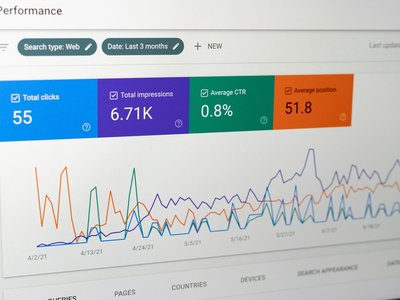
Google’s latest update has caused a major drop in Search Console impressions, but it’s not a bug. It’s a clean-up. Learn why your rankings are actually stronger and how to respond strategically.