As a freelance marketer, your skills are your product, but your personal brand is what makes people buy into you. In a competitive industry where businesses can choose from hundreds of freelance marketers online, standing out is no longer optional. Personal branding is how you position yourself, communicate your value, and make yourself unforgettable to potential clients. Done right, it can mean the difference between chasing projects and having clients come directly to you.
This guide will walk you through the fundamentals of personal branding tailored specifically for freelance marketers. From defining your unique value to optimising your digital presence and leveraging thought leadership, you’ll learn how to build a brand that grows your business and opens doors.
Why Personal Branding Matters for Freelance Marketers
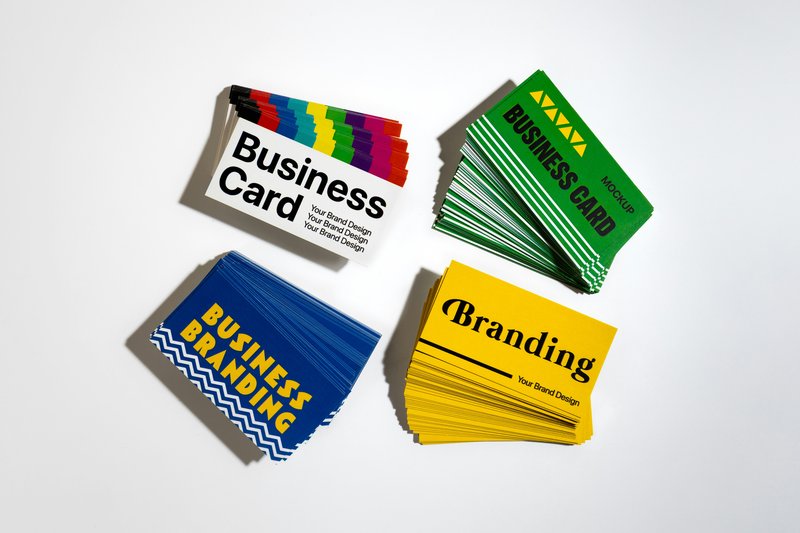
Personal branding is your reputation, your voice, and your unique promise. In Australia, the freelance workforce continues to grow rapidly, with marketing roles being among the most in-demand freelance positions. This means opportunities are plentiful, but so is competition.
Clients choose freelancers who align with their values, who appear trustworthy, and who communicate their expertise clearly. A strong personal brand makes you:
- More visible in a crowded market.
- More credible when pitching to clients.
- More memorable compared to competitors.
- More in-demand, allowing you to charge higher rates.
Think of personal branding as your long-term career investment. The more you refine and project your brand, the less you’ll need to rely on cold outreach, your reputation and presence will do the heavy lifting.
Step 1: Define Your Unique Value Proposition
Before you can market yourself, you need clarity on what you bring to the table. Too many freelance marketers brand themselves as “digital marketing experts” or “social media specialists”, descriptors that are too broad to resonate.
Instead, dig deeper. What do you do differently? Do you focus on helping small local businesses dominate in their niche? Do you specialise in e-commerce conversion strategies? Or perhaps you’re a content marketer with a knack for storytelling in highly regulated industries?
Crafting a strong unique value proposition (UVP) requires answering these questions:
- Who is your ideal client?
- What specific problems do you solve for them?
- What makes your approach different from others?
Once you have your UVP, weave it consistently into your website, social media, proposals, and conversations. This consistent messaging builds recognition and trust.
Step 2: Build a Strong Online Presence

For freelance marketers, your online presence is your storefront. It’s often the first impression potential clients have of you, and it needs to demonstrate professionalism and expertise.
- Website: Your personal website should act as your brand hub. Include an engaging bio, portfolio, testimonials, and a clear call to action. Don’t overlook SEO, optimise for the services you want to rank for locally and nationally.
- LinkedIn: As the world’s largest professional network, LinkedIn is non-negotiable. Create a polished profile that communicates your UVP, add recommendations, and post thought leadership content regularly.
- Other platforms: Depending on your niche, Instagram, X (formerly Twitter), or even TikTok can be valuable branding tools. For example, if you specialise in visual branding, showcasing case studies on Instagram can be a powerful trust-builder.
A well-designed digital presence makes you discoverable and also reassures clients you’re the deal.
Step 3: Leverage Content Marketing to Show Expertise
One of the best ways to build authority is by creating and sharing valuable content. Instead of just telling potential clients you’re a professional, you demonstrate it.
Types of content that work well for freelance marketers include:
- Blog posts: Write about marketing strategies relevant to your target clients. For example, a piece on “How Local Cafés Can Boost Foot Traffic with Google Ads” positions you as both practical and knowledgeable.
- Case studies: Share results you’ve achieved for clients. Highlight challenges, strategies, and measurable outcomes.
- Social content: Post quick tips, behind-the-scenes insights, and commentary on industry news.
- Video & webinars: If comfortable on camera, video can be a highly engaging way to humanise your brand.
This is where hiring a marketing strategist can be useful. They can help you identify content themes that align with your brand and attract your ideal clients.
Step 4: Cultivate Social Proof and Testimonials

Personal branding thrives on trust, and nothing builds trust faster than proof from others. Potential clients want reassurance that you’ve delivered results for businesses like theirs.
How to build social proof:
- Ask every client for a testimonial once a project is completed.
- Showcase results with data when possible.
- Collect LinkedIn recommendations.
- Display logos of clients you’ve worked with (with permission).
Even small wins matter. For example, if you helped a small business grow its Instagram followers by 200% in three months, frame that as a success story. Social proof makes your brand tangible, not just theoretical.
Step 5: Network and Collaborate
While digital branding is powerful, word-of-mouth and networking remain significant. Attending marketing events, webinars, and industry meetups in Australia can lead to collaborations and referrals.
Partnering with other freelance marketers can also expand your reach. For instance, a content marketer teaming up with a web designer can offer clients a more holistic solution. This strengthens your portfolio and also makes your brand more versatile and valuable.
Step 6: Position Yourself as a Thought Leader
Thought leadership elevates you from being just another service provider to being an authority in your niche. This doesn’t happen overnight, but you can build it gradually.
Ways to establish thought leadership include:
- Speaking at conferences or online panels.
- Publishing guest articles on reputable industry websites.
- Being interviewed on podcasts.
- Running workshops for small businesses.
The more visible you are as a voice in your industry, the stronger your personal brand becomes.
Step 7: Maintain Consistency Across Platforms
Consistency is often overlooked, but it’s one of the most major aspects of personal branding. If your website says you specialise in B2B strategy, but your LinkedIn is filled with posts about TikTok trends, you risk confusing potential clients.
Consistency should extend to:
- Visual identity (logos, colours, typography).
- Messaging and tone of voice.
- Frequency of posting.
- Quality of work shared.
Think of your personal brand as a story. Every touchpoint, your website, your email signature, your LinkedIn banner, should feel like a chapter in that same story.
Step 8: Invest in Professional Development

Your brand grows stronger when your skills evolve. The marketing landscape changes quickly, with new platforms, algorithms, and tools emerging constantly. Clients want freelancers who stay ahead of the curve.
Invest in courses, attend industry conferences, and follow leaders in your niche. Being able to say you’re Google Ads certified, HubSpot inbound certified, or have completed advanced SEO training adds to your credibility and strengthens your brand promise.
For those who want structured guidance, working with a Fractional CMO can also help refine your long-term brand positioning and business growth strategy.
Step 9: Price Yourself to Reflect Your Brand
Personal branding also influences how much you can charge. If you position yourself as a premium expert, you should avoid underpricing your services.
Instead of competing on price, compete on value. Make your brand about delivering measurable results, not just offering cheap services. Use tools like the marketing consultant cost guide to benchmark your pricing against industry standards in Australia.
Clients who value quality are less likely to haggle, and your brand reputation allows you to be selective with projects.
Step 10: Evolve Your Brand Over Time
As you gain more experience and your career evolves, your brand should adapt. For example, you might start as a social media marketer but later shift to broader strategy consulting. Regularly review and refresh your brand messaging, website, and portfolio to reflect where you’re headed.
Your Next Step
Personal branding is a necessity nowadays. By defining your unique value, building a strong online presence, sharing valuable content, and cultivating trust, you can transform your freelance business from one of many to the go-to choice for your ideal clients.
If you’re ready to take your brand to the next level and want guidance, it may be time to hire a brand strategist. With the right strategy in place, your personal brand can become your most powerful asset, helping you attract consistent, high-quality clients and build a thriving freelance career.