The retail industry is changing faster than ever. Today’s shoppers don’t just buy, they browse, compare, test, and expect consistency across every channel. They want the convenience of online shopping, the immediacy of in-store pickup, and the reassurance of human interaction, all wrapped into one seamless journey. That’s where omnichannel marketing comes in.
For retailers, the challenge is about weaving these channels together into a smooth, unified customer experience. This is no small task, but when done well, it creates stronger brand loyalty, higher sales, and a retail strategy that feels natural to the modern consumer.
In this blog, we’ll explore how retailers can embrace omnichannel marketing, the benefits it delivers, practical strategies to implement, and why now is the perfect time to bridge the gap between the digital and physical worlds.
What Is Omnichannel Marketing?
Omnichannel marketing is often confused with multichannel marketing, but the two are very different.
- Multichannel marketing means having multiple customer touchpoints, like a website, a store, and social media accounts. But these channels often work in silos.
- Omnichannel marketing takes it further. It ensures that all touchpoints are connected, consistent, and complementary, no matter where the customer engages.
For example, imagine a customer browses shoes on your website, adds them to their cart, and then walks into your store. With omnichannel marketing, your store assistant can see that browsing history, offer personalised assistance, and even apply the online discount in-store. That’s the magic of omnichannel.
In a competitive retail environment, where consumers expect more personalisation and seamless service, this approach is necessary. Working with an experienced marketing consultant ensures those touchpoints are designed to work together effectively.
Why Omnichannel Marketing Matters for Retailers
Meeting Modern Consumer Expectations
Australian shoppers are among the most digitally savvy in the world. According to Inside Australian Online Shopping report, eCommerce has grown steadily year-on-year, with over 9.4 million households making online purchases. Yet, in-store shopping remains strong, especially for categories like fashion, groceries, and lifestyle products.
Consumers now expect retailers to meet them wherever they are, whether that’s on Instagram, Google Shopping, a physical store, or a marketplace like eBay. Omnichannel ensures there’s no disconnect in this journey.
Building Customer Loyalty

Consistency builds trust. When shoppers experience the same level of service and branding across all channels, they feel more valued and are more likely to return. Omnichannel strategies can boost customer retention rates significantly compared to single-channel approaches.
Driving Sales and Growth
Omnichannel customers, those who shop both online and offline, tend to spend more than single-channel shoppers. They are also more likely to recommend the brand to friends and family, effectively becoming brand advocates.
Leveraging Data for Better Insights
Every touchpoint generates valuable customer data. By connecting these insights across platforms, retailers can better understand customer behaviour, refine their marketing strategies, and create more personalised experiences. Many CEOs now choose a Fractional CMO to lead these data-driven initiatives without hiring a full-time executive.
Key Components of a Strong Omnichannel Retail Strategy
Unified Branding Across Channels
A customer should recognise your brand instantly, whether they’re on your website, walking into your store, or scrolling through your social media. Consistent tone of voice, colour schemes, messaging, and customer service standards are vital.
Seamless Online and Offline Integration
Click-and-collect services, endless aisle technology (where in-store staff can order out-of-stock items online for customers), and flexible returns policies are key features that blend online and offline.
For example, Australian retailer Myer has excelled with its click-and-collect service, allowing customers to shop online and pick up in-store the same day, a win-win for convenience and foot traffic.
Personalised Customer Experiences
Personalisation doesn’t just mean “Hi [Name]” in an email. It means using data intelligently to suggest products, offer discounts, and streamline the buying process. For example, sending a reminder about abandoned carts, or offering exclusive in-store discounts based on online behaviour.
Mobile Optimisation
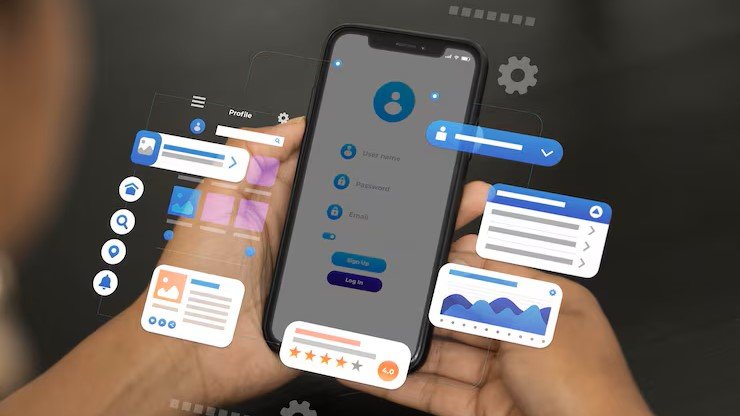
The smartphone is often the glue that binds in-store and online shopping. Consumers compare prices while browsing in-store, look up reviews, and check for availability. A mobile-optimised website or app with store locators, live chat, and easy checkout is necessary.
Data and CRM Integration
The backbone of omnichannel is data integration. A centralised customer relationship management (CRM) system allows retailers to track and manage customer interactions across every touchpoint.
Empowered Store Staff
In-store employees play a critical role in bringing omnichannel to life. Equipping staff with tablets or mobile devices that access customer data helps them personalise the in-store experience and close more sales.
Practical Steps for Retailers to Implement Omnichannel Marketing
Step 1: Map the Customer Journey
Understand how customers interact with your brand, both online and offline. Identify gaps where the experience feels disjointed.
Step 2: Invest in Technology
Tools like point-of-sale (POS) systems integrated with eCommerce platforms, CRM software, and marketing automation tools are necessary. This investment pays off by streamlining operations and enhancing customer experience.
Step 3: Align Teams and Operations
Omnichannel only works when marketing, sales, IT, and customer service teams are aligned. Collaboration ensures consistency and efficiency. A partner in marketing recruitment can help you find the right people to bridge these gaps.
Step 4: Test and Optimise
Regularly test different strategies, such as loyalty programs, social media campaigns, and online-to-offline offers, to see what resonates with your customers.
Step 5: Train Staff

Staff training is often overlooked. Ensure employees understand how to use new tools and why omnichannel matters, so they can deliver the right experience in-store.
Case Studies: Omnichannel Success in Retail
David Jones
David Jones has been proactive in blending in-store luxury with digital convenience. Their endless aisle initiative ensures customers can order out-of-stock items in-store and have them delivered home. This prevents lost sales and enhances customer satisfaction.
Bunnings Warehouse
Bunnings has invested heavily in digital tools while maintaining its in-store expertise. Its online DIY resources and click-and-collect options integrate seamlessly with its physical presence.
The Iconic
As one of Australia’s biggest online retailers, The Iconic has nailed omnichannel by offering fast delivery, easy returns, and partnerships with physical drop-off locations. Their customer-centric approach sets the benchmark for online-offline integration.
Challenges Retailers Face with Omnichannel Marketing
- Technology Investment Costs: Not all retailers can afford sophisticated integration systems, but scalable solutions exist.
- Data Privacy Regulations: With growing concerns about data use, compliance with laws like the Australian Privacy Act is key.
- Operational Complexity: Synchronising stock, pricing, and promotions across platforms is easier said than done.
- Customer Expectations Keep Evolving: Omnichannel is not static; retailers must continually innovate to stay ahead.
The Future of Omnichannel Retail
Looking ahead, omnichannel marketing will evolve with new technologies:
- AI-driven personalisation that tailors product recommendations in real time.
- Augmented reality (AR) shopping experiences bridging digital and physical try-ons.
- Social commerce, where platforms like TikTok and Instagram act as direct sales channels.
- Sustainability-focused strategies, where omnichannel tools help track supply chains and provide transparency for eco-conscious shoppers.
Retailers who adapt quickly will thrive; those who resist risk being left behind.
How to Get Started
Retailers don’t have to overhaul everything overnight. Start small, integrate online stock visibility, launch click-and-collect, or build a loyalty program that works across all channels. Each step creates more cohesion and strengthens customer relationships.
And if you’re unsure where to begin, this is where guidance comes in. Hiring an experienced digital marketing manager can help align your strategies, implement the right tools, and ensure your omnichannel efforts deliver results.