The travel industry has always been a master of storytelling. For decades, the glossy brochure was the ultimate marketing tool, a tangible promise of sandy beaches, snow-capped mountains, and unforgettable adventures. Fast forward to today, and those brochures have been replaced with TikToks, Instagram Reels, YouTube shorts, and influencer vlogs. The question for CEOs is not if the digital audience is different, but how to meet them where they are.
In this article, we’ll explore the evolution of travel marketing, the rise of digital-first travellers, and how businesses can pivot their strategies to connect authentically with modern consumers. Most importantly, we’ll discuss why the expertise of a Fractional CMO can be the key to navigating this transformation successfully.
The Evolution of Travel Marketing: From Print to Pixels
Not long ago, travel agents and physical brochures were the backbone of the industry. Potential travellers would flip through carefully curated pages filled with idyllic images and persuasive copy. The tactile experience made people dream and plan. But as digital adoption grew, consumer expectations changed dramatically.
- The shift to search engines: Google became the first stop for travel inspiration, replacing brochures with blogs, reviews, and travel guides.
- Social media’s rise: Facebook albums and later Instagram became personal travel diaries, creating user-generated content that served as authentic marketing.
- Video dominance: YouTube and TikTok now define how people visualise destinations, with short-form videos making travel feel more immediate and attainable.
For CEOs, knowing this evolution is key. The “marketing funnel” in travel has compressed. Inspiration, research, and booking often happen in one seamless digital journey.
The Modern Digital Traveller
Today’s traveller is digitally savvy, experience-driven, and deeply influenced by peer recommendations. They don’t just want to see where they might go; they want to feel it before they commit.
- Millennials and Gen Z lead the way: Over 84% of Gen Z travellers discover destinations through TikTok and Instagram. This demographic values authenticity over polished ads.
- Mobile-first behaviour: More than 60% of travel bookings globally now happen on mobile devices. The browsing and purchasing experience must be seamless.
- Community-driven choices: Online reviews on platforms like TripAdvisor or Google Reviews can make or break a destination’s appeal.
These behaviours mean CEOs must pivot from traditional advertising to creating experiences online that feel personal, trustworthy, and instantly engaging.
Storytelling in the Digital Era
Travel has always thrived on storytelling. The difference today is the format. Instead of multi-page brochures, brands now have 15 seconds to capture attention in a reel or TikTok. The challenge? Making every second count.
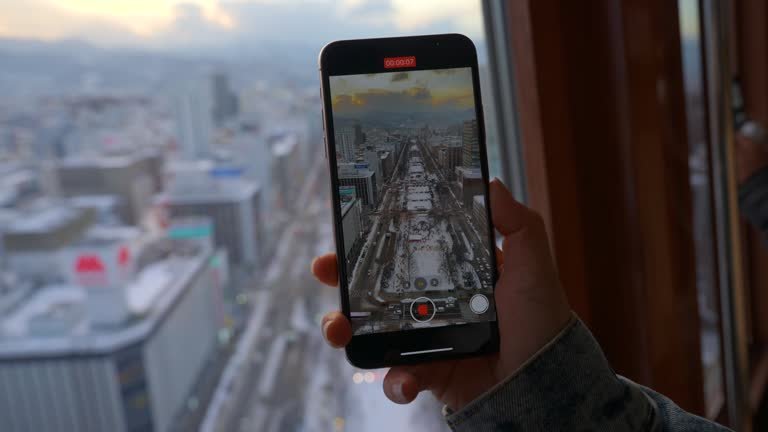
A well-executed reel can showcase an entire experience, sunrise over Uluru, a wine tour in Barossa Valley, or a quick snippet of snorkelling on the Great Barrier Reef. Unlike brochures, these formats allow interactivity: comments, shares, and direct bookings through integrated links.
Authenticity over perfection
Travellers no longer trust overly polished ads. They want to see the “real” side of travel, local food stalls, hidden laneways, or unexpected adventures. Influencers and user-generated content thrive because they feel genuine. For CEOs, this means creating campaigns that leave room for raw, human moments.
Personalised storytelling
With access to data, businesses can now deliver highly targeted campaigns. Imagine sending a Sydney-based couple reels of quick getaways in the Blue Mountains or Gold Coast, rather than generic promotions. This level of personalisation was impossible in the brochure era.
The Role of Technology in Travel Marketing
Technology is at the heart of the digital transformation in travel. CEOs must consider not just what stories are told, but how they’re delivered.
Artificial Intelligence and Predictive Insights
AI can enhance personalisation by analysing search behaviour, past bookings, and browsing habits. For example, recommending travel packages based on previous searches increases the likelihood of conversion.
Augmented Reality (AR) and Virtual Tours

Destinations are increasingly offering AR experiences, allowing potential travellers to “try before they buy.” For example, Tourism Australia has experimented with immersive VR experiences to showcase iconic landmarks.
Booking engines now integrate with marketing campaigns directly. A reel on Instagram can link to a booking page, reducing friction and capturing impulse decisions. CEOs need to ensure the customer journey from inspiration to purchase is as short and smooth as possible.
Challenges CEOs Face in Adapting Travel Marketing
Transitioning from traditional to digital-first marketing is not without hurdles.
- Content fatigue: Consumers are bombarded with endless reels and ads. Standing out requires creativity and strategy.
- Budget allocation: Many businesses still over-invest in outdated print campaigns while underfunding digital channels.
- Talent gaps: CEOs often struggle to find the right talent who can manage storytelling, video production, SEO, and data analysis all at once. This is where marketing consultants or a Fractional CMO can fill the gap.
Building a Future-Proof Travel Marketing Strategy
So, how should CEOs adapt? Here are key pillars of a digital-first travel marketing strategy:
Invest in Video-First Content
Reels, shorts, and TikToks should be at the heart of your campaigns. Invest in a content calendar that highlights seasonal travel, trending audio, and local experiences. Partner with creators who align with your brand ethos rather than chasing big influencers for vanity metrics.
Prioritise SEO and Organic Discovery
Blogs, destination guides, and local tips are still critical. Long-form content fuels search engine visibility. For example, optimising for “best weekend getaways from Melbourne” or “luxury eco-lodges in Queensland” attracts intent-driven audiences.
Build Stronger Communities
Encourage travellers to share their own stories, photos, and videos. Reward user-generated content with discounts or features on your official channels. Peer influence is one of the most powerful drivers of travel decisions.
Adopt a Multi-Channel Approach
From LinkedIn for B2B partnerships to TikTok for Gen Z travellers, a strong mix ensures you’re not over-reliant on one channel. Integration across email, video, and social creates multiple touchpoints.
Get the Right Leadership
Marketing in travel is moving too fast for trial and error. A Fractional CMO brings senior-level expertise without the full-time cost, helping CEOs align creative storytelling with data-driven ROI.
Case Studies: Travel Brands Leading the Way
- Tourism Australia: Their “Come Live Our Philausophy” campaign focused on authentic storytelling by showcasing Australians’ friendly, down-to-earth nature. It was distributed across YouTube, Instagram, and digital billboards globally.
- Qantas: During the pandemic, Qantas leaned heavily on digital channels, sharing stories of resilience, safety measures, and behind-the-scenes reels of flight crews preparing for safe travel.
- Airbnb: By prioritising user-generated content, Airbnb successfully positioned itself not just as accommodation but as an experience-led brand.
Each of these examples highlights how digital-first storytelling drives not just awareness but genuine engagement.
Why CEOs Need Guidance
For many CEOs, the digital marketing landscape in travel feels overwhelming. The platforms, algorithms, and consumer expectations change rapidly. Having an in-house team isn’t always feasible, especially for small to mid-sized operators. This is where external support becomes invaluable.
A Fractional CMO brings strategic oversight, balancing the creative with the commercial. They can help CEOs:
- Reallocate budgets effectively from outdated channels to high-impact digital campaigns.
- Build a strong digital content pipeline without burning out internal teams.
- Establish clear metrics to measure ROI on social campaigns, influencer partnerships, and paid ads.
With this approach, businesses avoid wasting resources and instead invest in campaigns that truly resonate with today’s travellers.
From Brochures to Reels and Beyond
The journey from brochures to reels is a transformation in how travellers dream, plan, and book. CEOs must embrace video, harness technology, and prioritise authentic storytelling if they want to stay competitive. But more importantly, they must lead with strategy.
Digital travel marketing is about crafting experiences that inspire, connect, and convert. By leveraging the expertise of a Fractional CMO, CEOs can future-proof their marketing strategies and ensure their brand thrives in an ever-evolving digital world.