



Ten Things CEOs Need To Know About Content Marketing in 2025
Content marketing is no longer a support act, it is the driver of growth in 2025. CEOs must lead with strategy, not guesswork.
26 Jun 2026
Producing more content doesn’t guarantee better results. CEO and HR leaders should prioritise clarity, consistency, and strategy. Using fractional or freelance expertise ensures messaging is precise, impactful, and aligned with business goals.
Blog
Marketing teams are under constant pressure to produce more content. For CEOs and HR leaders, that often turns into an assumption that more output means more engagement, more visibility, and better results. The reality is more nuanced. Simply increasing the quantity of content does not automatically improve messaging, strengthen brand positioning, or drive meaningful outcomes.
The ‘more is better’ approach can feel intuitively right. After all, frequent posting keeps a brand visible and provides multiple touchpoints for potential customers. However, the downside is often overlooked: a flood of content can dilute your brand’s message and confuse your audience. When messaging becomes scattered, even the most innovative product or service can get lost in the noise.
Content without a strategy risks becoming a resource drain. Marketing teams spend hours generating posts, emails, and articles, but if these touchpoints lack cohesion, the effort yields little in terms of ROI. This is where the expertise of a fractional copywriter becomes invaluable. A skilled professional can ensure every piece of content serves a strategic purpose and reinforces a consistent narrative.
Effective messaging is defined not by frequency, but by clarity. Every piece of communication should answer the question: “What do we want our audience to understand or feel?” When clarity is the guiding principle, content becomes purposeful.
For instance, a weekly blog that provides deep insights into industry trends may outperform daily posts that are generic or repetitive. Strategic, well-crafted content positions a brand as a thought leader, while excessive, unfocused output risks diminishing credibility.
By focusing on clarity, companies can avoid overwhelming their audience with irrelevant or redundant messaging. A marketing consultant can help CEOs and HR leaders identify which content themes align with business goals and audience needs, creating a framework that balances impact and efficiency.
Consistency is the cornerstone of strong messaging. It ensures that every touchpoint, whether it’s a social post, an email, or a webinar, reflects the same tone, values, and positioning. When content output increases without a consistent framework, brands often send mixed signals.
A marketing strategist can map out messaging across platforms, ensuring that content supports overarching business objectives and reflects the brand’s voice. This strategic oversight prevents the trap of producing more content without reinforcing the core message, which is a common pitfall for organisations focused purely on volume.
High-quality content is about relevance, value, and timing. Audiences are discerning, and they respond to content that addresses their needs or challenges. Conversely, content that exists solely to fill calendars often fails to engage and can even erode trust.
For companies looking to maintain quality without overextending internal teams, hiring freelance marketers or copywriters can provide flexibility and expertise. These professionals bring specialised skills and a fresh perspective, ensuring content is abundant and meaningful.
The solution is to produce smarter content. A well-planned content strategy considers audience segmentation, messaging objectives, and channel-specific best practices. This is where fractional CMOs or marketing consultants make a tangible difference; they can guide content strategy, prioritising initiatives that drive measurable results rather than blind output.
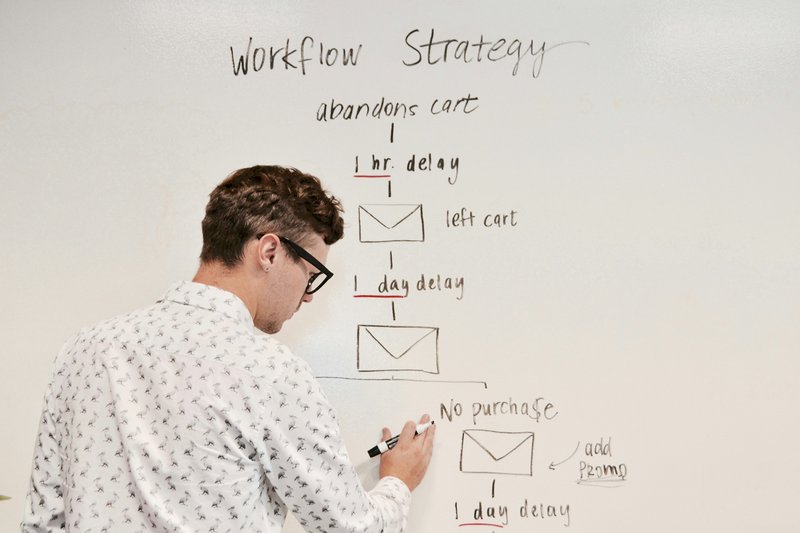
For HR leaders, this approach also aligns with internal processes. Clear guidelines for tone, brand voice, and messaging reduce inefficiencies and prevent the duplication of effort. A structured content plan ensures that every piece of work contributes to a unified brand story, rather than fragmenting it.
Too much content can overwhelm audiences and dilute brand perception. In digital marketing, this is sometimes referred to as the ‘content overload effect.’ When consumers are bombarded with information, they may disengage, skip messages, or develop negative perceptions of the brand.
CEO and HR leaders should ask: Is our content serving the audience, or just meeting internal output targets? Aligning content with audience needs is more impactful than chasing arbitrary publishing quotas. By focusing on relevance, timing, and strategic placement, brands can achieve higher engagement with fewer resources.
Traditional content metrics often prioritise quantity, number of posts, frequency, or volume of emails sent. While these metrics are easy to track, they rarely reflect the true effectiveness of messaging.

Instead, companies should focus on metrics tied to objectives: lead generation, conversions, engagement quality, and brand perception. A marketing consultant's cost investment in strategic oversight can provide better returns than scaling content production blindly. Professional consultants help interpret these metrics, adjust strategies, and optimise messaging for maximum impact.
Consider a mid-sized tech company that ramped up blog posts from two to ten per month. Despite increased output, engagement metrics stagnated, bounce rates rose, and social shares dropped. After bringing in a fractional copywriter and a marketing strategist, the company reduced the number of posts but introduced tighter messaging, audience-specific themes, and cross-channel integration. The result? Engagement doubled, lead quality improved, and brand perception strengthened.
This illustrates the principle that thoughtful content, aligned with strategy and audience, consistently outperforms sheer volume.
The modern marketing landscape demands flexibility, expertise, and strategic oversight. Fractional models offer organisations access to senior-level skills without the cost of full-time executives. These professionals can audit content, refine messaging, and implement strategies that elevate impact while reducing unnecessary output.
Leveraging freelance marketers or external marketing consultants enables teams to scale content intelligently, targeting the right audience with the right message at the right time. This hybrid approach balances efficiency with quality, ensuring that every communication reinforces brand positioning rather than adding noise.
For CEOs and HR leaders, the key takeaway is that more content doesn’t automatically mean better messaging. Clarity, consistency, and purpose should guide every piece of content. Hiring a fractional copywriter ensures your messaging is precise, aligned with strategy, and maximises impact, without overburdening your team. Ready to elevate your brand’s messaging? Hire a fractional copywriter today and transform your content from clutter to clarity.
Prefer to have your content marketing fully managed? Con/Create, Cemoh's content marketing agency, handles strategy, content, design, social, and email for finance and legal businesses across Australia.
Here are some suggested articles that are closely related to this post
Content marketing is no longer a support act, it is the driver of growth in 2025. CEOs must lead with strategy, not guesswork.

This article explores the cost of inconsistency and how CEOs can strengthen brand communication with the right leadership.

Posting daily on social media is a myth. A social strategy is about purpose, consistency, and audience connection. Here’s why quality content, not daily noise, will truly grow your brand and how you can build a strategy that actually works.

Social media specialists go beyond chasing trends. They build evergreen content, connect strategy across channels, and optimise through testing. Learn how strategic social media delivers measurable results.

Content marketing can be a game-changer for professional services. It builds trust, positions your brand as an authority, and drives quality leads. Here’s how CEOs can harness its power to win clients and grow in a competitive market.

CEOs and HR leads know great content is about results. This guide explains exactly how to hire writers who turn browsers into buyers, boost your brand authority, and deliver measurable ROI, plus where to find the right marketing expertise.