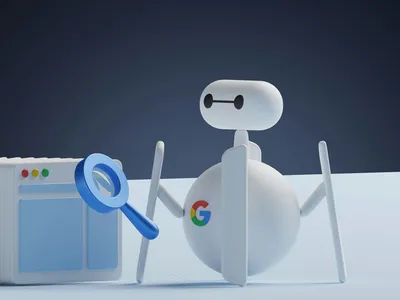
AI and SEO: A New Shift in Search Optimisation
AI isn’t replacing SEO, but it is changing how it works. Businesses that use AI-driven insights while keeping content thoughtful and well-written will be in the best position to succeed.
08 Jun 2026
The rules for how B2B companies get found, get trusted, and get chosen have changed faster in the past 12 months than in the previous five years combined.
Blog
LinkedIn's feed algorithm was rebuilt from scratch. Google's AI Overviews are answering buyer questions before they ever click a result. ChatGPT and Perplexity have become research tools for procurement teams. And most B2B companies are still running the same playbook they were using in 2023.
This article covers what's actually changed across LinkedIn, search, and AI discovery, and what marketing leaders can do about it.
In late 2025, LinkedIn replaced its collection of task-specific ranking models with a single large-scale AI called 360Brew. A 150-billion-parameter model now decides who sees your content, based on a holistic read of your profile, posting history, network behaviour, and the semantic meaning of your posts, not just keywords and engagement counts.
The practical impact is significant.
The winning LinkedIn strategy for B2B companies in 2026 should be built around two or three experts posting consistently on a focused set of topics under their own profiles. Not daily updates from the company page. Not polished brand content. Real people with real points of view on the problems your buyers are trying to solve.
A CMO's job here is to identify those voices internally, build the editorial structure around them, and ensure the content is working hard enough to earn saves and real conversations, not just impressions and likes.
Google's AI Overviews now appear at the top of most commercial search results, synthesising answers from multiple sources before a user clicks a link. For 34% of B2B marketers, AI search platforms are now where qualified prospects first hear about their company.
Traditional SEO is still relevant, but it's no longer the only goal. The new objective is to be cited inside the AI-generated answer, not just to rank somewhere beneath it.
Generative Engine Optimisation (GEO) requires a different approach to content.
Answer Engine Optimisation (AEO) is the practice of making sure your brand gets cited when buyers ask AI assistants (e.g. ChatGPT, Perplexity, Claude, Microsoft Copilot) for recommendations, comparisons, or solutions.
AI-referred sessions to websites grew 5x by mid-2025, according to one study.
This is a significant opportunity.
A VP of Operations asking ChatGPT "what's the best B2B logistics software for a company our size" is a high-intent buyer. If your brand appears in that answer, you're in the consideration set. If it doesn't, you don't exist for that buyer, regardless of how well you rank on Google.
AEO is built on five foundations: the quality of your existing content (AI systems cite sources they trust), structured data and schema markup, entity recognition (does the AI know who you are and what category you belong to), share of voice relative to competitors, and topical authority across your key themes.
Getting into AI answers consistently requires the same things as good SEO, just applied more deliberately: genuine expertise, well-structured content, credible third-party references, and a clear, consistent brand identity that AI systems can categorise accurately.
LinkedIn, search, and AI visibility don't operate in isolation. They reinforce each other.
A consistent expert voice on LinkedIn builds topical authority that feeds into search rankings. Well-structured content on your website gets cited by AI systems. Being cited by AI systems builds brand recognition that makes your LinkedIn content more credible to new audiences.
Companies seeing the strongest B2B marketing results in 2026 are treating these as one integrated marketing and content strategy, not three separate channels managed by different people with different priorities.
Good marketing leaders now need to be able to set the strategic direction across all three channels, ensure they're working together, and build the internal capability to sustain it.
If your B2B marketing feels like it's working less hard than it used to, it probably is. Here's what you can do to bridge the content gap:
These aren't just tactical fixes. They're strategic decisions, and they're the kind of decisions that benefit from someone with the experience to see the bigger picture.
Expert Contributor

Alice Tong
Chief Marketing Officer
Experienced Marketing Professional Driving Growth and Innovation
View ProfileHere are some suggested articles that are closely related to this post
AI isn’t replacing SEO, but it is changing how it works. Businesses that use AI-driven insights while keeping content thoughtful and well-written will be in the best position to succeed.

Thinking about outsourcing social media manager duties? This guide covers how to find, hire, and manage the right expert for your Australian business.

What is digital marketing consulting and how does it work? We explain what a consultant does, why you need one, and how to hire the right partner in Australia.
Your LinkedIn profile is more than a digital CV, it’s your marketing portfolio, elevator pitch, and first impression rolled into one. If you are serious about landing better roles or winning high-value clients, it needs to work as hard as you do.

Content has always been important in digital marketing, but the landscape has certainly shifted over the years. Once upon a time, content was all about stuffing as many keywords into a blog and hoping to rank well on search engines. Today,...

Want to stay visible online in 2025? This guide breaks down exactly what CEOs and business leaders need to know about modern SEO strategy.